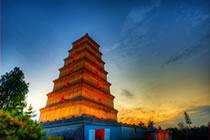
 Xi’an is not only a historical and culture city, but also a trendy city permeated with modern tempo
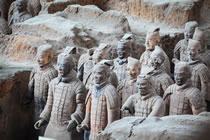 Ancient capital Xi'an, the TOUR dream is over the time
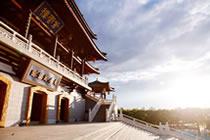 The cultural and historical significance of the area, as well as the abundant relics and sites, help Xian enjoy the laudatory title of 'Natural History Museum'
 Countless ancient architecture and valuable historical relics have been preserved above and under the ground
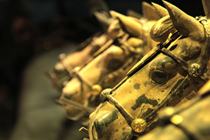 Culture Qin:Museum of Qin Terra-cotta Warriors and Horses
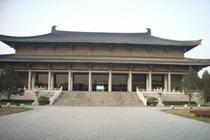 It is the first multi-functional museum complex which integrates museum, monuments and park
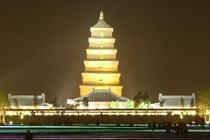 As the symbol of the old-line Xian, Big Wild Goose Pagoda is a well-preserved ancient building and a holy place for Buddhists
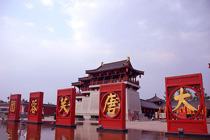 Tang Paradise is located in the Qujiang Resort, southeast of the Xian City, Shaanxi Province
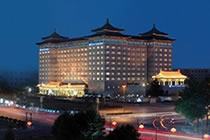 Grand Park Hotel Xi’an
 Xi'an Train Station is ranked as Class A by the nation standard with all the modern facilities
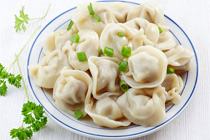 the Chinese dumpling has a long history and is an essential part of celebra-tory meals such as those prepared for the Chinese lunar Spring Festival
 This is the famous Halal snacks street in ancient Xi’an City and the only professional food market that runs exclusive Halal food
 the Grand Hongkong Restaurant has won many honors and titles
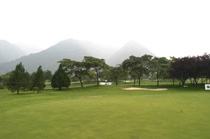 Lying at the foot of Zhongnan Mountain, Xi’an Yajian International Golf Club covers an area of over 214 acres
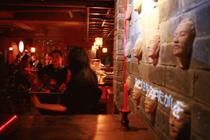 Located just inside the South Gate, Park Qin with the unique decoration to the variety of drink specials
 Kai Yuan Shopping Mall is regarded as one of the biggest shopping mall in Xi'an

In China, many temples house treasures and artifacts, but the sheer quantity and quality of treasures in the Famen Temple are rare. Situated in Famen Town of Fufeng County, about 120 kilometers (about 74.57 miles) west of Xian, Famen Temple is renowned for storing the veritable Finger Bone of the Sakyamuni Buddha.
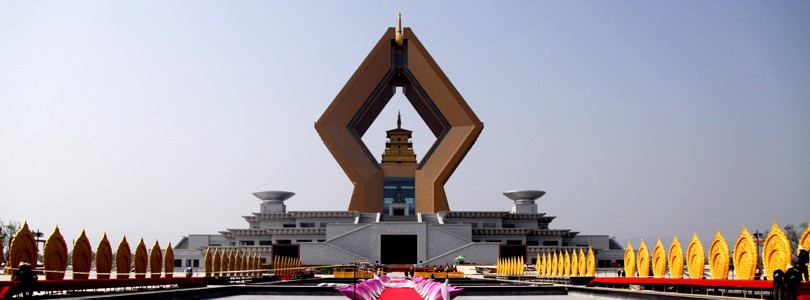
Famen Temple was established in the Eastern Han Dynasty (25--220), for carrying forward Buddhism. The most representative structures in the temple are the Famen Temple Pagoda and Famen Temple Museum.
At the center of the temple is the 13-tiered octagonal pagoda under which it is said, a sliver of the finger bone of Sakyamuni buried. In 1981, subsidence of the pagoda led to reconstruction, during which, an Underground Palace was discovered unexpectedly in 1987. Many royal treasures and jewelry were found here-more than 2,000 pieces surrounded the Tang mandala (geometric designs, usually circular, symbolizing the universe). The most precious one is the veritable Finger Bone of the Sakyamuni Buddha. At present, this is the biggest Buddhist underground palace so far discovered. From the grand architectural style, it is said to have been established in the Tang Dynasty (618-907). But why, and how such precious treasures were stored under the pagoda. Tracing back to a most flourishing time in Chinese history, formerly, Famen Temple was the royal temple during the Sui Dynasty (581-618) and Tang Dynasty. Emperors in Sui and Tang believed that enshrining and worshiping the bone of Sakyamuni would bring riches and peace to the land and its people. So an offering of treasure to the finger bone was made, it was housed in the Underground Palace.
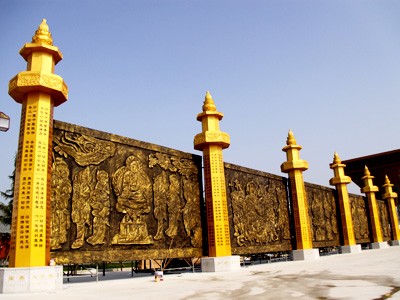
Due to the appropriate collection and further expounding of the cultural connotations of the treasures to the public, the Famen Temple Museum was established in 1987, which includes most of the precious treasures from the Tang Dynasty removed from Underground Palace, including gold and silverware, colored glaze ware, porcelain and silks. Owing to more and more tourists and their curiosity to the relics, two new exhibition halls were established in 2000. The exhibition area expanded from 500 square meters to 3,000 square meters, which well caters for the interest of tourists.
Nowadays, Famen Temple, which is the most famous Buddhist temple, plays a sovereign role in Chinese Buddhism, and appeals to tourists from all over the world.
Address: Fufeng County, Shaanxi Province