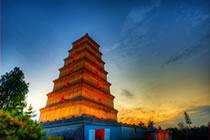
 Xi’an is not only a historical and culture city, but also a trendy city permeated with modern tempo
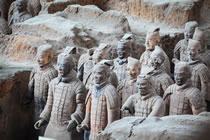 Ancient capital Xi'an, the TOUR dream is over the time
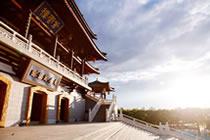 The cultural and historical significance of the area, as well as the abundant relics and sites, help Xian enjoy the laudatory title of 'Natural History Museum'
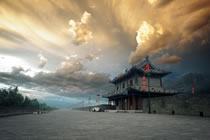 Countless ancient architecture and valuable historical relics have been preserved above and under the ground
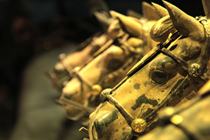 Culture Qin:Museum of Qin Terra-cotta Warriors and Horses
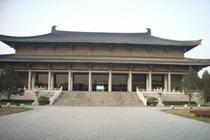 It is the first multi-functional museum complex which integrates museum, monuments and park
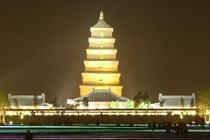 As the symbol of the old-line Xian, Big Wild Goose Pagoda is a well-preserved ancient building and a holy place for Buddhists
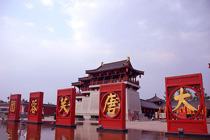 Tang Paradise is located in the Qujiang Resort, southeast of the Xian City, Shaanxi Province
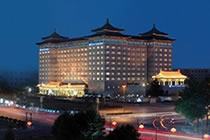 Grand Park Hotel Xi’an
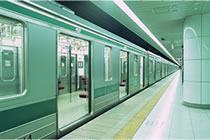 Xi'an Train Station is ranked as Class A by the nation standard with all the modern facilities
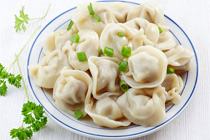 the Chinese dumpling has a long history and is an essential part of celebra-tory meals such as those prepared for the Chinese lunar Spring Festival
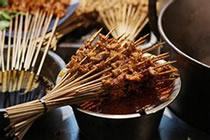 This is the famous Halal snacks street in ancient Xi’an City and the only professional food market that runs exclusive Halal food
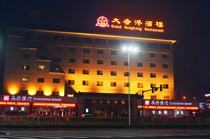 the Grand Hongkong Restaurant has won many honors and titles
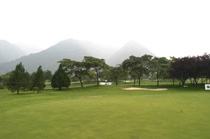 Lying at the foot of Zhongnan Mountain, Xi’an Yajian International Golf Club covers an area of over 214 acres
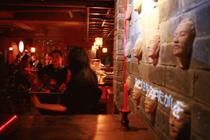 Located just inside the South Gate, Park Qin with the unique decoration to the variety of drink specials
 Kai Yuan Shopping Mall is regarded as one of the biggest shopping mall in Xi'an

Ba Xian'an Monastery
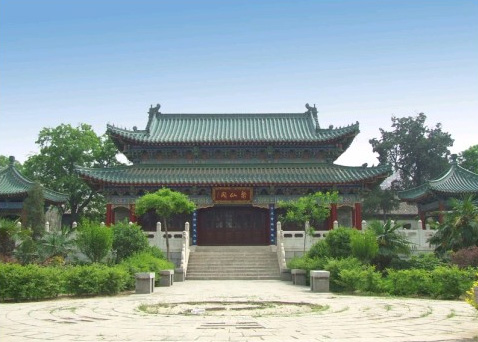 Ba Xian'an Monastery, located on Changle Fang Street, is in the suburbs east of Xian. Originally built during the Song Dynasty (960-1279), it is the largest Taoist temple in the northwest area.Daoism derived from China since the period of Eastern Han (25-220). According to the legend, Daoism has eight immortals known to the world. One day these immortals passed by the site of the temple and stayed for a time. Since some people thought that these immortals appeared to bless them, a temple was built on this site in order to make sacrifices to these immortals. Hence it was named as Ba Xian'an Monastery (namely, Temple of the Eight Immortals).
During several restorations of the later Yuan, Ming and Qing dynasties, the Ba Xian'an Monastery took on a larger diversity as it became a public place for the Taoist to learn its religious culture. Moreover, when the Eighth Allied Force invaded Beijing in 1900, the Emperor Guangxu and his mother, Empress Ci Xi, came to Xian to take refuge in this temple. While they lived there, Ci Xi ordered decorated archways to be built inside. It was at that time that the temple got another name Ba Xian'an Palace.
In 1983, the State Council proclaimed that it was one of the most important palaces in China and ordered it rebuilt according to its original layout and architectural style. At present, the tall-wooded Ba Xian'an Monastery looks simple and serene. In front of the monastery, there's a huge Screen Wall with four Chinese characters "Wangu-Changqing (means remaining fresh forever)" on it. Then stepping through the Mountain Gate of this temple, one can see a Bell Tower and a Drum Tower flanking both sides. The monastery is divided into the middle, the eastern and the western parts. Walking along the middle route, one will reach Linggong Palace, Baxian Palace (Eight Immortals Palace), and Doulao Palace respectively. In the east, there are Luzu Palace, Yaowang Palace and other features, besides Qiuzu Palace and Jianyuan Room in the west. Every year, a grand Taoist celebration is held on September 9th of the lunar calendar. Many people come here to burn joss sticks and pray for a blessing.
On the street outside the monastery, the government has made it a commercial venture where one can find many religious curios, which are very popular among visitors.